
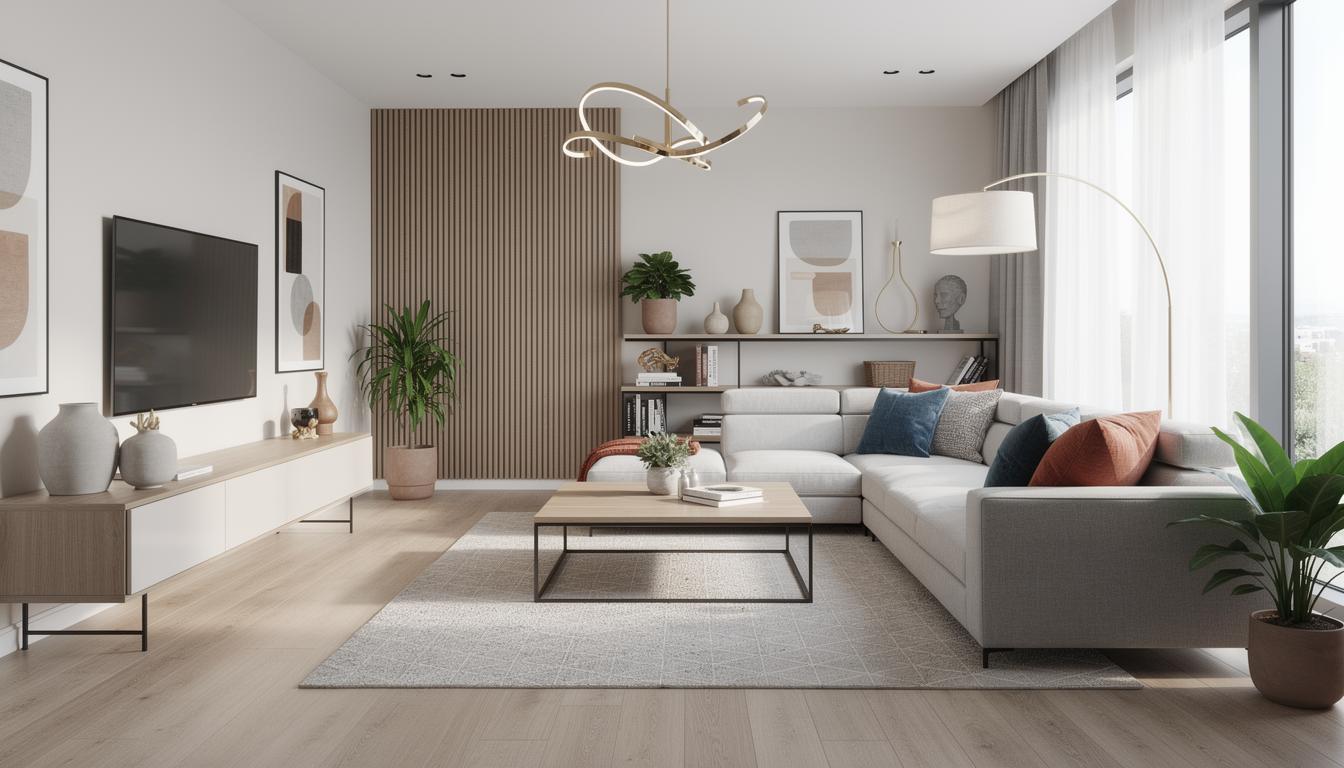
Walls transform themselves, the air shifts, light seems sharper ever since the home designer entered the room. The search for the perfect space, always a little elusive, more complicated than Pinterest or catalogues pretend. Anyone peeks inside those meticulously arranged homes and the same questions arrive, scratching the back of the mind. Who manages to reinvent four familiar walls and give them a pulse? Who translates daily life—good and bad—into comfort and real function? The home designer holds a strange sort of key. No cold geometry, no museum of chairs and lamps, but a living space that keeps the rhythm of each routine and a taste for bold solutions never at odds with common sense. The home never stays the same after that.
The Vision of the Home Designer: Beyond Decorator, Beyond Architect
Confusion, it remains widespread. Too many forget the difference between those who handle structure, those who master mood, and those who balance both. The profession, never static, evolves every decade. Sketching on oversized paper faded into touchscreen rituals, 3D renderings, and digital walkthroughs. The home designer claims space between the world of regulations and the land of color palettes, acting as conductor between utility and personality.
Also read : Top Materials for Creating a Long-lasting and Chic Kitchen Backsplash in the UK
Clients preview a future living room before the first board gets sawn, thanks to RoomSketcher, SketchUp or even virtual reality—it changes everything, no more uneasy surprises, just adjustment, clarification, then excitement.
Professionals like designbyanais.com showcase how personalized design balances technical precision with genuine lifestyle understanding.
In parallel : Essential Features for Crafting Your Zen-Inspired Bedroom Retreat in the UK
The Evolution of the Home Designer: Yesterday, Today, and Tomorrow
In the past, pencil marks spread like roots, blueprints everywhere, hoping the client understood the intention. The digital tide swept away much of that. Now, 3D plans spin and rotate, rooms appear, disappear, colors melt across walls within seconds. Mastery of these tools—HomeByMe, Ashampoo, giants like SketchUp—never replaces the in-person walkabout, but it refines it. Clients, less lost, more daring, tweak and reshape ideas live as if the home had never actually existed. One foot stays planted in technical logic, the other invents combinations that decorators seldom consider, never losing track of what’s essential: a space that works, delights, and lasts. Modern home designers adapt to trends but let practical concerns guide them, never forced into the template of the day.
The Real Distinctions: Designer, Architect, Decorator
One quick glance in the table below sets everyone straight. Sorting out the confusion, the borderlines crystalize, each role with their own talents, degrees, and ambitions.
| Role | Main Focus | Typical Qualifications |
|---|---|---|
| Home designer | Personalization, functional layouts, technical feasibility | Design degree, practical experience, mastery of design software |
| Interior architect | Structural changes, building codes and rules | Architectural license, regulated authorizations |
| Interior decorator | Styling, ambiance, visual harmony | Certificate in style, strong portfolio, artistic eye |
The home designer knows how to personalize each project, ensuring every wall, piece of furniture, and passage follow not only rules but also real-life comfort. Architects supervise load-bearing walls, wiring, compliance, paperwork. Decorators concoct a mood, tone, and color tale, less interested in technical boundaries. The home designer? Straddling both realities, always able to decode a lifestyle and turn it into tangible surfaces.
The Artistic Method: From Idea to Reality
Every project—no need to hide it—begins in the middle of a conversation, sometimes with laughter, sometimes with rush-hour complaints. Designers breathe these stories, never imposing, always coaxing out details.
The Ritual of Needs: Lifestyle, Desires, and All the Unspoken Things
Plans shift radically after a five-minute anecdote, especially about the old kitchen sink, the secret stash of baskets, Sunday night rituals. Home designers collect habits like precious clues. Pictures, voice notes, and weeks of screenshots pile up. Unexpected questions come in at all hours: which shoes crowd the hallway, do umbrellas pile up at the door, who gets wild during thunderstorms? From those details, layouts emerge. No two stories identical, not even close. That’s why the most ordinary corridor sometimes hides a big surprise at the end.
The Phases of Conception: A Personal Chronology
Routine processes rarely excite, but this one avoids monotony, blending improvisation with technical rigor.
The design path zigzags: needs escape, models swirl, feedback sparks edits, with no detail left to chance or lazy prediction.
| Step | Main Actions | Client Involvement |
|---|---|---|
| Consultation | Review lifestyle and make honest inventory | Exchange stories, discuss images, share daily realities |
| Design | Test sketches, create scale models, refine viewpoints | Navigate possible floor plans, debate color and form |
| Implementation | Select materials, ensure feasibility with experts | Tactile sample meetings, supplier conversations, adjust at every step |
| Review | Fine-tune, update progress transparently | Keep talking, walk through, see the project grow |
Good designers double back, shift course, insist if something rings false or stays unfinished, all decisions bound to the original narrative—even if the narrative transforms during the family dinner, even if someone changes their mind about the flooring at breakfast. Rooms stretch to fit, never act like empty boxes. Detailed digital models recreate the flickering of sunlight and the layout of last night’s party—even the stains on the imaginary counter get factored. Back-and-forth remains the rule, not the exception. No sterile abstraction, only places that absorb and reflect real lives.
The Array of Tools: Precision, Innovation, and Flexibility
No dungeon of dusty blueprints, no rigid visual clichés. Advanced design programs—RoomSketcher, Home Design 3D, a few VR apps—form the new standard. Clients stretch their curiosity, wandering through virtual homes too crisp to be fake. Designers test wall colors under every possible lighting, recalibrate traffic flow with each hypothetical argument. Everyone breathes a little easier now that the unknowns remain limited to the weather report.
The Digital Revolution in Home Design
Screens hum with details, angles, contrasts, surface illusions.
Suddenly, mistakes shrink, tough corners gain solutions, and even those resistant to change accept a radical idea—not after installation, but much earlier, while 3D renderings play across the monitor.
Designers shift furniture, scrape wallpaper, paint and repaint, all on the screen, to test outcomes. Smart programs check ceiling heights, clearances, everything that’s forgettable when daydreaming over catalogues.
The Choice of Materials: No Such Thing as a Trivial Detail
Nothing proves more hypnotic than scrolling through a database of sofas, tile samples, lamp finishes. Big names—Vitra, Ligne Roset—invite curiosity, but niche brands and eco-friendly alternatives appear too, especially since agencies like Ademe spotlight sustainability for those who care about the trace. Stone or fake, fabric or leather, matte or shine, the difference jumps out on screen—anyone can get indecisive, click after click. Every choice looks realistic, risk-free, all from a desk or a phone. Maintenance and wear don’t skip consideration either, especially in households with wild children or pets. Switch paint shades a dozen times in an hour, the program won’t even blink. No renovation dust settles onto the new floor until everything, absolutely everything, makes sense for daily life.
The Network Effect: Communication and Collaboration in Flow
Behind the supposedly effortless result, an invisible crowd leans in. The designer acts as captain, sure, but also as interpreter. Everyone wants a say, especially the builder with big opinions about load distribution or the specialist who reminds about rules for sound insulation. No one person controls the finished home—teamwork glues all the improbable parts together.
The Web of Experts: When Designers Build Ties
Nothing like a cheerful evening with electricians, heating specialists, carpenters, answering questions that seem to multiply after each site visit. Certification forms drive some to distraction, but they matter for resale, comfort, and even insurance.
Each update, carefully filtered by the designer, lands softly in the email inbox or on a group dashboard. Project momentum measures itself less by the number of paint swatches chosen, more by the ability to nip confusion in the bud.
The Conversation Always Open: Transparent Processes
Transparency often feels like a promise, seldom delivered. With credible interior professionals, it happens. Notifications ping, plans tweak, deliveries or delays all updated quickly. Milestones break the project into digestible pieces, progress never slips away into silent spaces. Real progress means control for all, not just the project manager or contractor. Every client question, whether about a doorknob or a budget item, waits for clarification, never dismissal. Evidence—plans, images, budgets—arrive neatly packaged. No single moment escapes notice, especially for anxious clients. Above all, trust replaces tension and the renovation blues never stick for long if the process remains open.
- Clients preview future rooms with virtual tools—no guesswork required
- Collaboration turns chaos into coordinated progress
- Material options no longer overwhelm—the designer curates choices
- Communication and transparency build lasting confidence
The Value that Grows: Why the Home Designer?
The phrase “tailored solution”—almost a cliché until experiencing what it means to keep the oddly shaped bookshelf or the childhood fireplace. Every quirk respected, every habit anchored, unforced. No two layouts identical, no shortcuts applied for the sake of process. From light flows to secret nooks, from unexpected seating to storage the neighbor envies, functional magic takes root.
The Payoff: Efficiency and Calm in the Storm
Efficiency, that old foe of art, now allies with the process. Figures from the Conseil National de l’Ordre des Architectes, 2026, demonstrate it without fanfare—a seasoned designer’s hand means fewer mistakes, fewer returns, shorter delays, smarter spending. Homes increase in market value, lives unclutter, tempers stay stable.
No one ever claims to notice the difference on the first walkthrough, but future buyers detect it instantly—a space harmonized, nothing wasted, everything logically paired. Renovation nightmares surrender to organized miracle solutions.
Time saves money; expertise multiplies certainty.
The Space Left by Human Touch
Monday broke with panic. Sofa jammed on the second landing, painter missed his bus, paint shade discontinued. Message blinked—sample arrived, do you want it before lunch or after dinner? The designer, named on speed-dial: “No stress, backup cushion sent, another lamp already ordered, same price, better proportions than the old. Every update landed in the personal WhatsApp, not a cold project folder. The finished flat—cozy, vibrant, clearly mine—proves the value of giving order to chaos.” Panic dissolved, replaced by patience and even laughter. The memory, stronger than any color swatch, stays for years.
Life resumes. Schedules, alarms, daily chores, and yet the new spaces whisper—rooms answer back, recalling every wish translated into reality and every hour saved during crisis. If the house breathes ease, function, and beauty, thank the home designer. Or maybe the name never really mattered—the result stands.